

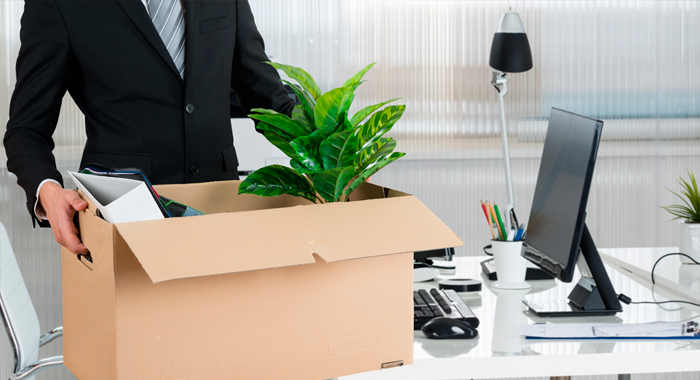
Tips for moving your office in the best way possible
There are many reasons why, at any given time, we might be forced to move our workplace to a new office. Rising rents in certain areas of your city, a new project at a new company, or the need to expand or downsize your business space can all lead you to make this decision.
Depending on how this office relocation is managed, it can become a positive experience or a major financial loss for the company.
Below, we give you some keys to help you get through this moment in the best way possible.
How to carry out office moves
1. Consider what you really need. Take the opportunity to throw away things that no longer work and take only what is strictly necessary. Give things to your colleagues; they might need something you no longer do. Take the chance to recycle or donate objects and furniture.
2. Plan ahead. To avoid unnecessary stress, don’t leave everything until the last minute. Prepare an organized roadmap with all the professionals and subcontractors who may be involved in the office move (moving company, IT specialists, painters, new office furniture company, etc.). This way, everything will be coordinated and under control.
3. Keep your space tidy before the move, so it will be easier for you to locate the objects to be moved at all times. It is more complicated to pack in a messy place.
4. Classify the material by packing and unpacking order and note which department each box belongs to. Before you start packing, think about which order will be best for unpacking and setting everything up later.
5. Prepare the right packing materials: boxes of different sizes, adhesive tape, markers, highlighters, seals, and so on. This is fundamental. The moving company should inform you which type of box is most suitable for the files, office items, and decor you are going to move.
6. When packing, don’t switch from one department to another until you’ve finished. Keep the order you’ve set for yourself so you don’t get confused. One thing after another.
7. Label or number all the boxes so you don’t make mistakes later when unpacking, and write it all down on a paper list or even, roughly, on the box itself. This way, if you need something you already packed before the move, it will be easier and faster to identify and retrieve it.
8. A tip for packing contents made up of many papers: it’s better to make smaller groups of sheets in more boxes than the other way around.
9. Be very careful with personal items both before and during the move: items like your laptop, “essential” documents, keys to the new office, backpack, or briefcase should always be kept close to you. A move is a time of confusion with many boxes everywhere. Avoid a stressful moment due to loss or damage.
10. If you leave the move in the hands of professionals, hire a reliable company with positive reviews and experience. If you aren’t doing the packing yourself either, make sure someone you trust supervises it.
And above all, avoid logistical and network problems
- Get in touch with all logistical stakeholders, such as clients and suppliers. Inform them clearly and with enough time about the move, so that no errors are made in deliveries, pickups, and so on.
- Plan for services and permits. Some basic services at the new location might still be in the previous owners’ names and could have been cut off. To make the transition as fast as possible and start working without problems, we recommend activating them in advance. If commercial permits need to be handled at the new facilities, move up the deadlines to avoid delays.
- Plan everything related to network cabling and Internet in the new office well in advance, as it can take longer than you imagine. It’s convenient to have a plan B or connectivity alternatives on hand if the quality of your work depends on good communication.
Having said all that, we only have one last piece of advice: enjoy your new office and embrace the change with excitement!